Homelessness in Youth

HOUSING IS A HUMAN RIGHT

AIMEE LEE · JANICE DANDREA · MEHAK KISHORE · SKY HADJIARGYROU


Each year around 4.2 million youth ages 13-25 experience homelessness in the united states

In fact, 34% of the homeless population is under 24.

Reasons for youth homelessness


1) Family Problems

Many families abandon individuals who come out as LGBTQ+. Approximately 40% of homeless teens identify within this community. Additionally, many who leave at a young age are doing so to avoid abuse and their guardians are aware of their departure.

2) Economic Problems

A lack of financial stability provided from the family may contribute to homelessness. Initially, these individuals may face homelessness together, but later get separated by shelters, transitional housing, or child welfare policies, like foster care. 

3) Residential Instability

Foster care contributes to homelessness because many leave the system earlier to avoid bad experiences and trauma. Some who live in residential or institutional placements become homeless upon discharge. They are too old for foster care but are discharged with no housing or income support.

Debunking Myths & Misconceptions

Myth: Homeless people simply lack ambition
Fact:  Experiencing homelessness is a condition, not a character defect. Lawyers, doctors, professors and many others have experienced homelessness, although it may be less common. Anyone can lose their home if they have no way to pay for housing or resources & do not have a support system.


Myth: Homeless people aren't trying hard enough to get a job or find a place to live
Fact: Getting a job is a challenge for most these days, and incredibly difficult for a homeless person. Additionally, according to studies up to 44% of homeless people do work, but have to live in their cars, emergency shelters and even outside. However, it is difficult to maintain employment when these individuals do not have a place to regularly bathe, prepare meals or electricity to set alarms. 


Myth: The majority abuse drugs and alcohol
Fact: Research shows that substance abuse is often a result of homelessness, rather than a cause. It is estimated that only about 20 to 40 percent of homeless individuals have a substance abuse issue, but also, living on the streets puts these individuals more frequently in contact with users and dealers.


Myth: There's nothing I can do about homelessness
Fact: To effectively reduce homelessness, the entire community can work together around this common goal.
  1. Individuals should be kind to those living without a home. Many acts of violence and disrespect        happen to people who are homeless.
  2. Raising awareness about this complex issue will help. It has many deeply rooted injustices that also need to be addressed, but the more information that is brought to light, the more these individuals can get the resources needed.
  3. Sharing time is a big one. Volunteering is vital to sustaining existing resources as well as creating new ones. 

What to say & Not to say
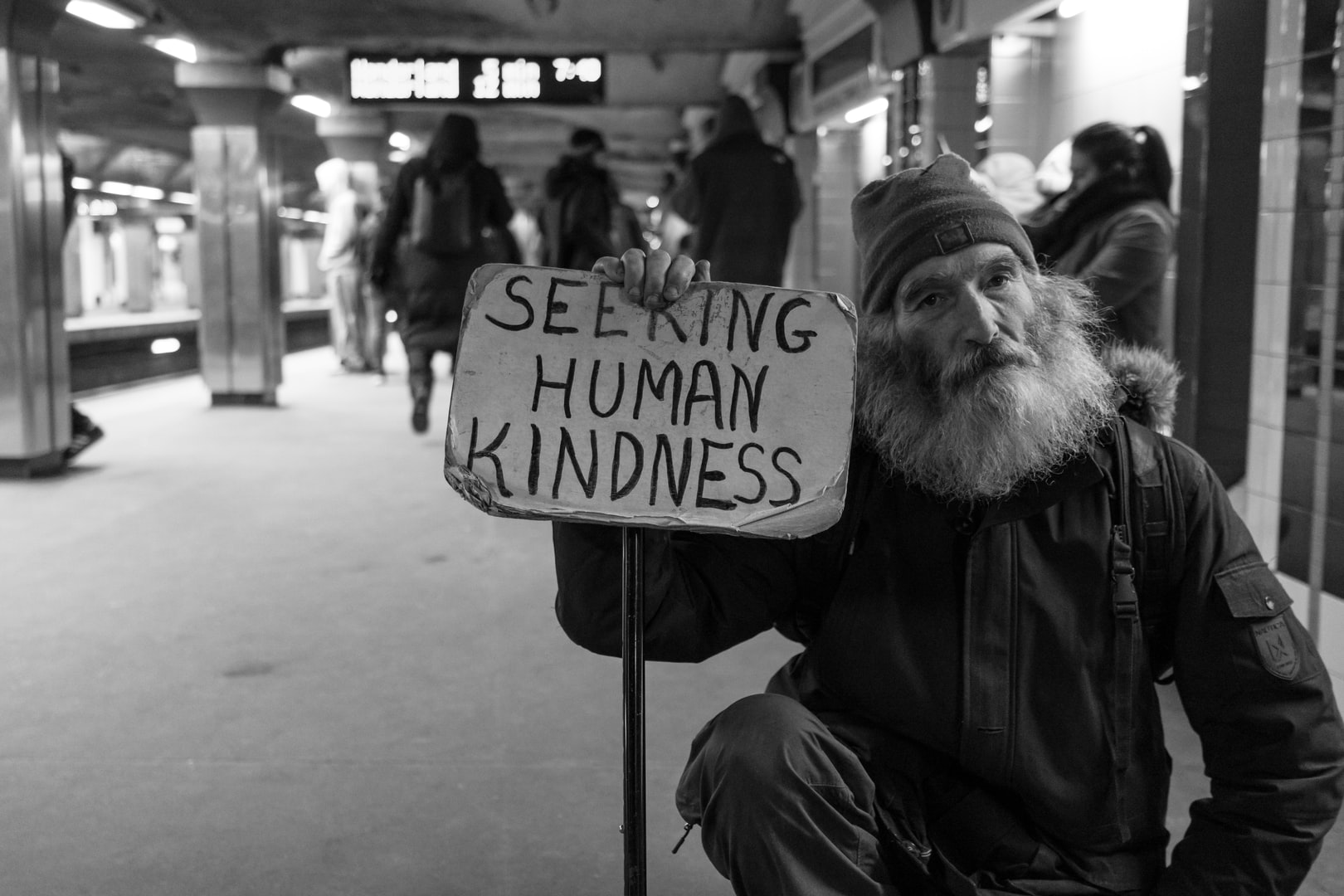
What to say
  • Treat them like any other human being, there’s no need to treat them any differently

  • Greet them with a smile or lend an ear instead of making faces at them or pointing

  • If you feel uncomfortable giving them money or you don’t have much to spare, you can ask them what else you can do to help

What not to say

“Use this money for food, not drugs”, “I'm not going to give you money, you’re just going to use it on drugs or alcohol”

  • Don't assume they’re going to use money to buy alcohol or drugs, and don’t tell them that either

Get a job or Get help

  • Again, don’t assume that they haven’t tried getting help or taking steps to better their situation. Not all problems will be fixed if they just ask for help or ask for a job

  • Sometimes, those experiencing homelessness do have a job but it’s not enough to support themselves (and any family they may have to support as well)

  • High housing prices and low wages contribute to homelessness

Go to a shelter, stay off the streets

  • Believe it or not, shelters can actually be more dangerous than staying on the streets. 

  • There’s also limited space and resources in shelters -- not enough to go around

  • Its their choice, some people just don’t align with the practices of shelters or feel more comfortable not living in them

Why is somelike like YOU living on the streets

  • You don’t know their whole story - how they got here, why they’re here - everyone has their reasons and you shouldn’t assume their situation

  • Homelessness doesn’t discriminate. Any person can experience homelessness, no matter what they look like, who they are, or what social status they’re in at the moment

If you have nothing nice to say, don’t say anything at all


Numbers to Call (Or not call)

Only call 911 if they are in immediate danger (or in danger of harming those around them)

  • Otherwise, there’s no reason to call the police on them

  • When police are called without proper reasons, it sometimes leads to forcible arrests, citations, or injuries

  • Although calling the police may seem like a good way to help the homeless, it can actually make their situation much worse

  • Increased anxiety from the homeless can lead to misunderstandings and possible charges

What about 311?

  • 311 might seem less intimidating, as it was made for less immediate emergencies, but most 311 calls about the homeless end up being rerouted to 911 anyways

  • This results in the same issues as stated above

    What you can do if you see someone who is experiencing homelessness

    There are many actions individuals can take to help address this growing issue. Making these resources known and available to the public could greatly help someone in need. For New York specifically, use these links to get more information.